Wonder

Stories

Perspectives on branding, creativity
and growth across the GCC.

01

The Future of FMCG Advertising in the GCC: 5 Trends Every Brand Must Master in 2026

FMCG advertising GCC, GCC marketing trends, Middle East FMCG strategy

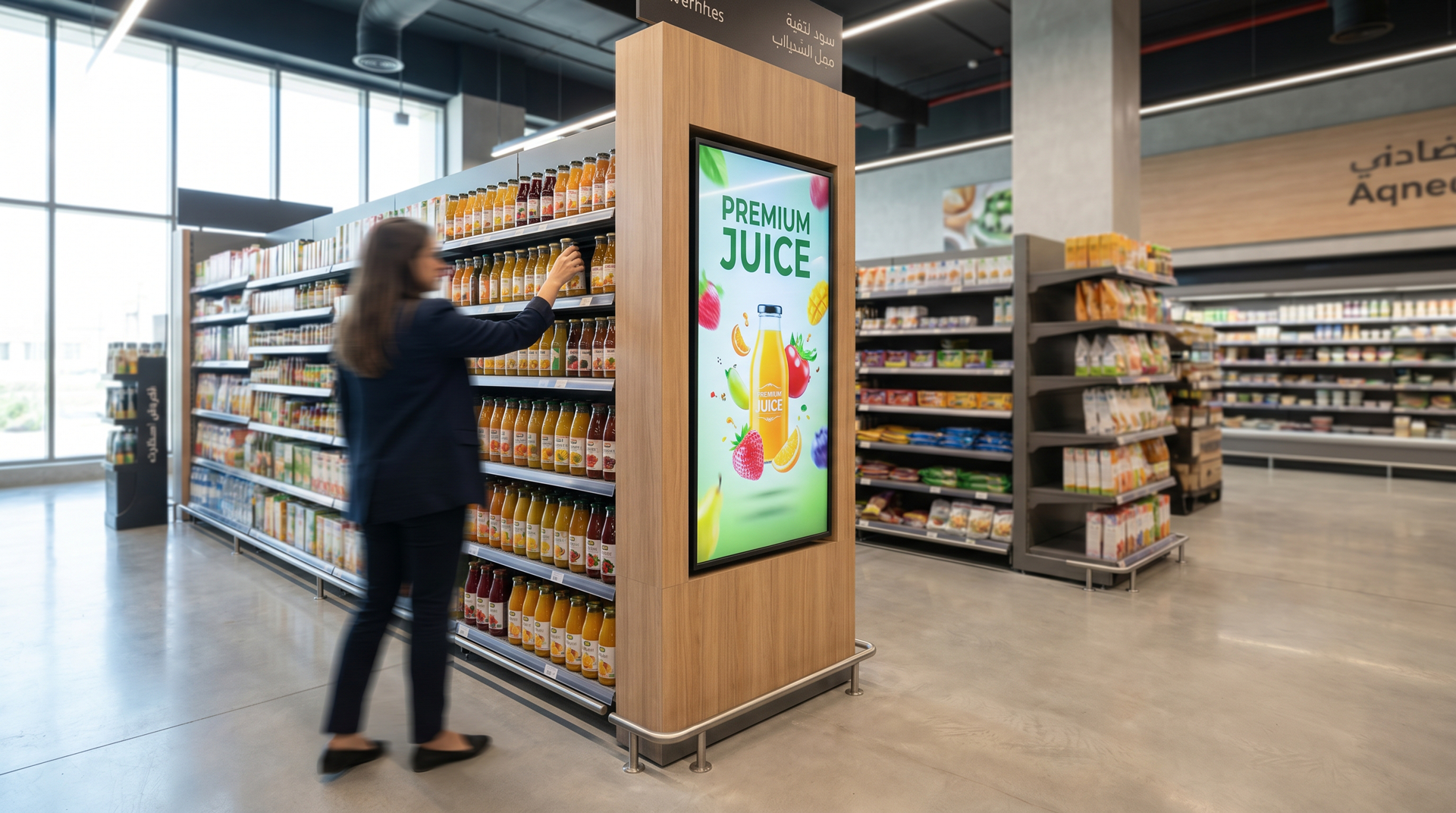
The GCC FMCG market, valued at over $110 billion and growing at 6–7% annually, is undergoing a fundamental transformation. Brands that succeed here understand hyper- local consumer behavior, mobile-first engagement, and culturally intelligent storytelling. Younger, digitally native audiences demand content that feels native, personal, and meaningful making cookie-cutter global campaigns obsolete.

1. Cultural Fluency is Non-Negotiable
Middle Eastern consumers don’t just view campaigns they experience them. Translating global creative into Arabic is no longer enough. Success requires deep cultural insight: Ramadan activations, Eid gifting campaigns, and even localized packaging and flavors can dramatically improve recall and brand sentiment. For instance, Almarai’s Ramadan storytelling campaigns consistently outperform regional benchmarks by integrating family centric narratives that resonate across GCC markets.
2. Social + Short Form Drives Purchase Intent
TikTok, Instagram Reels, and Snapchat are now primary discovery channels for FMCG products in Saudi Arabia and UAE, with 75% of Gen Z discovering brands via short-form content. Brands like PepsiCo MENA have seen up to 2x higher engagement when campaigns leverage local influencers with platform-native formats. The key is fast, snackable storytelling with measurable call-to-actions, not just awareness-focused content.
3. Omni-Channel Engagement is Table Stakes
Consumers journey across multiple platforms: Instagram for discovery, YouTube for product research, WhatsApp for peer recommendations, and e-commerce platforms for conversion. Leading FMCG brands in the GCC adopt 360° storytelling, ensuring that every touchpoint — digital, in-store, or experiential reinforces the same brand narrative. A connected, data- driven ecosystem can increase purchase frequency and loyalty.
4. Data + AI Unlock Hyper-Personalisation
Real-time analytics, AI-driven recommendations, and dynamic content delivery are no longer “nice-to-have.” During peak periods like Ramadan or Saudi National Day, brands can use AI insights to serve personalized recipes, promotions, and messaging. This approach drives relevance, improves engagement rates, and directly impacts sales without diluting creativity.
5. Localisation Builds Lasting Loyalty
The GCC is a mosaic of cultures, languages, and expatriate communities. Brands that invest in bilingual assets, dialect-sensitive messaging, and region-specific packaging (like Nestlé’s local flavors in Saudi Arabia and UAE) outperform competitors in loyalty metrics. Localized campaigns are not only culturally respectful they’re commercially effective, improving retention and word-of-mouth advocacy.

Takeaway:FMCG success in the GCC is not about louder ads  it’s about blending data intelligence, cultural insight, and omnichannel storytelling. The brands that master this trifecta will win attention, engagement, and ultimately, market share in one of the fastest- evolving consumer landscapes in the world.
02

Why Government & Public Sector Brands in the Middle East Need Strategic Creativity

Government marketing Middle East, public sector branding GCC, creative communication government

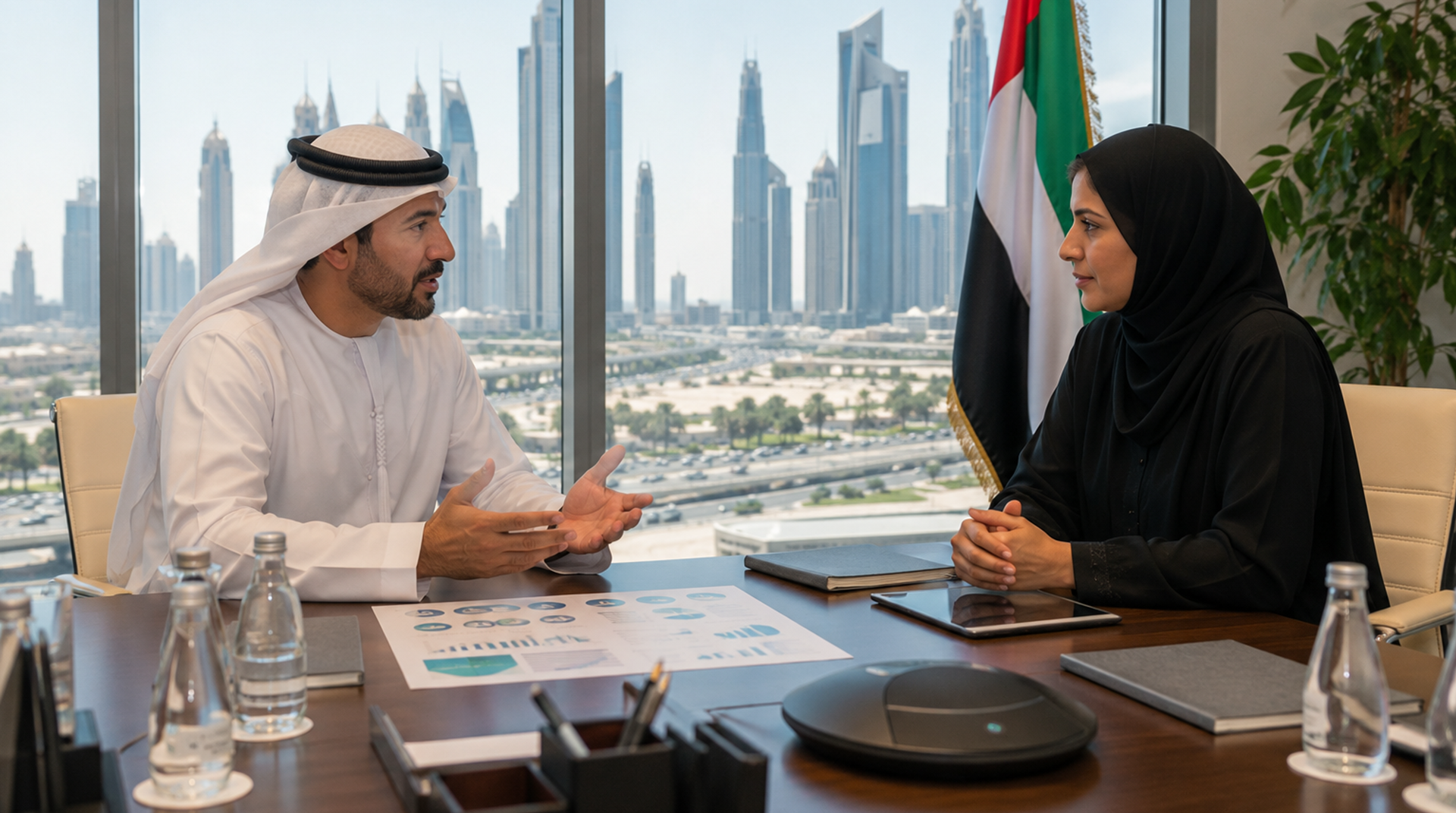
In the Middle East, government and public sector branding is no longer a matter of logos, press releases, or one-way announcements. Citizens, especially younger audiences, expect engaging, relatable, and culturally resonant campaignsthat clearly communicate purpose while inspiring trust. Agencies that can combine strategic insight, data-driven storytelling, and design-led execution are the ones helping governments achieve real impact.

1. Citizens Respond to Story, Not Statements
Traditional government messaging often focuses on regulations, policy, or information dissemination. While necessary, these approaches fail to connect emotionally. Campaigns like UAE Government Media Office’s “Bring Your Impossible” reframed national ambition into globally shareable narratives, blending innovation with patriotism and achieved viral engagement across social platforms.
2. Multi-Platform Strategy is Essential
Middle Eastern citizens move seamlessly between social, broadcast, and experiential channels. Public sector campaigns now rely on integrated delivery: TikTok for youth awareness, Instagram for community engagement, WhatsApp and Messenger for citizen service notifications, and OOH for broad reach. This 360° engagement strategyensures messaging isn’t just seen but felt.
3. Cultural Sensitivity Drives Credibility
The GCC is diverse, spanning traditional populations and highly connected expatriates. Creative must respect local customs while being globally appealing. Examples include Saudi Arabia’s Vision 2030 campaigns, which combine local storytelling with international production values resulting in both credibility at home and shareability abroad.
4. Measurable Creativity is the New Standard
Governments no longer evaluate campaigns solely on awareness. Engagement, sentiment, and action metrics are now standard. For example, digitally optimized campaigns with interactive elements, AR experiences, and localized gamification provide measurable citizen response while reinforcing national objectives.
5. Innovation + Legacy Creates Trust
Successful government branding balances modernity and heritage. Campaigns that showcase technological innovation while reinforcing cultural identity whether through events, videos, or digital activations consistently outperform generic messaging in citizen engagement, participation, and loyalty.

Takeaway: In the GCC, government campaigns must be strategically creative, culturally attuned, and digitally integrated. Agencies that combine these elements with data and measurement become indispensable partners in shaping public perception, citizen engagement, and long-term trust.

03

Winning the Experience Economy: How Experiential Marketing is Transforming FMCG inthe GCC

Experiential marketing GCC, brand activations Middle East, FMCG events MENA

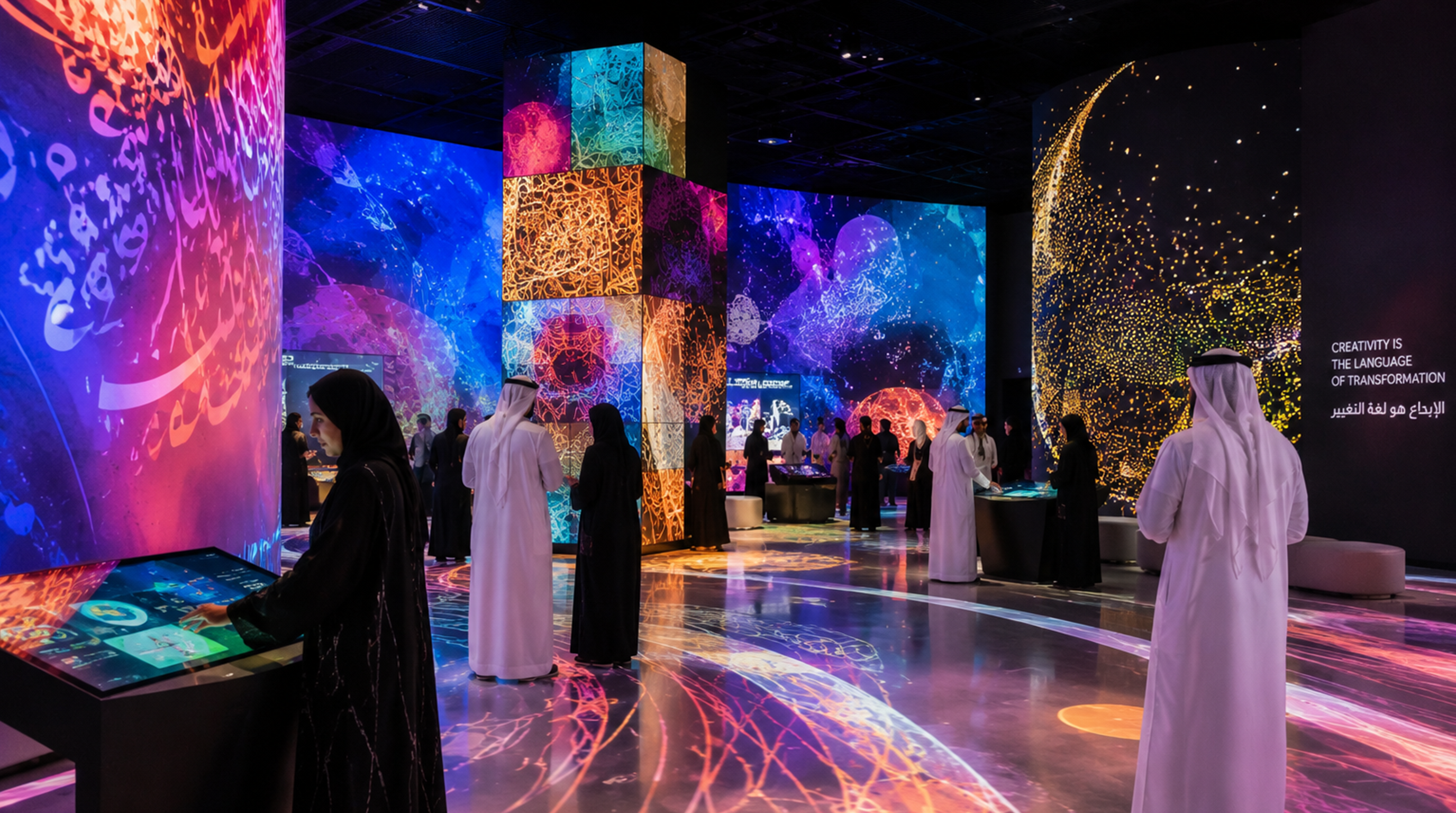
The GCC is no longer a passive consumption market it’s an experience-driven ecosystem. From Dubai to Riyadh, consumers increasingly expect brands to create immersive, memorable, and shareable experiences. For FMCG brands, this shift means that traditional advertising is just one touchpoint: the real impact comes from activations that connect emotionally and drive measurable engagement.

1. Experiential Marketing is ROI-Driven, Not Just Fun
High-impact activations are no longer gimmicks. For example, Visa’s “Masters of Movement” FIFA Fan Festival activation in Qatar turned visitor interaction into social buzz, earning 60M+ impressions while directly driving app adoption and brand recall. Every experiential campaign must be designed with data-driven KPIs, from footfall to social shares to conversion.
2. Technology + Immersion Creates Engagement
AR, VR, and mixed-reality activations are now common in GCC events. FMCG brands like PepsiCo and Nestlé UAEleverage interactive digital experiences at mall pop-ups, creating multi-sensory touchpoints that extend campaigns beyond the physical space via social amplification. The result: higher dwell time, social virality, and measurable consumer behavior insights.
3. Cultural Relevance is Critical
Experiential marketing that ignores local context fails fast. Activations aligned with Ramadan, National Day, or regional festivals resonate more deeply with GCC audiences. For instance, Almarai’s Ramadan iftar pop-upscombined tasting, storytelling, and family-friendly engagement, boosting both sales and social sentiment simultaneously.
4. Omni-Channel Integration Extends Reach
Physical activations work best when digitally integrated. QR codes, mobile apps, and social media tie-ins allow FMCG campaigns to convert experiences into actionable insights. A shopper interacting with an in-store tasting booth can be retargeted online with personalized offers bridging offline and online journeys seamlessly.
5. Story-Led Activation Builds Loyalty
At the heart of every successful activation is a story. From product launches to seasonal campaigns, GCC consumers reward narratives that place them at the center. Experiences that are shareable, relevant, and culturally aligned strengthen brand recall and long-term loyalty, making every activation an investment, not a cost.

Takeaway: FMCG brands in the GCC don’t just sell products they sell experiences. In a region where culture, technology, and storytelling intersect, experiential marketing is the ultimate growth engine, delivering engagement, social amplification, and measurable business results.

Back to top